
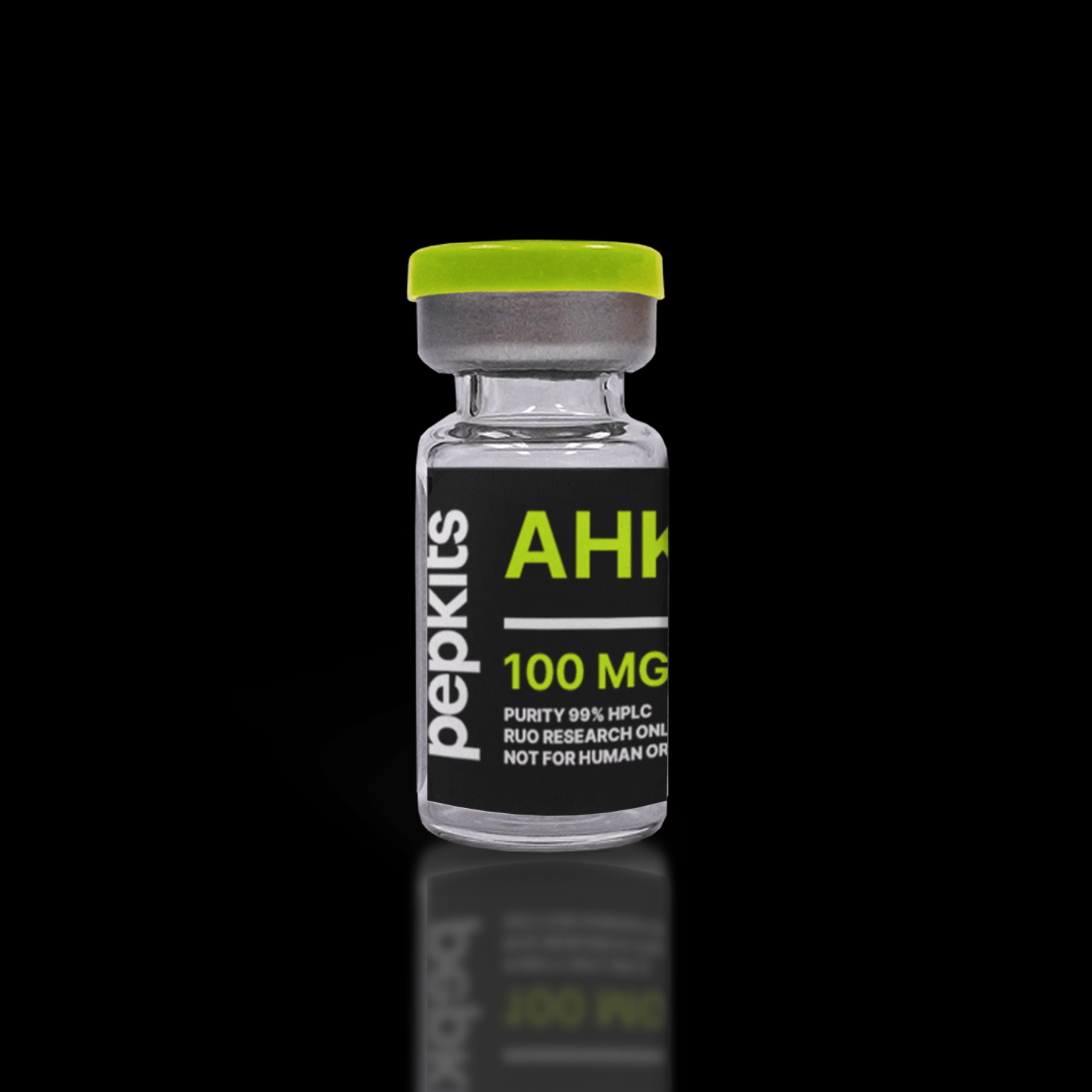
Product Details
AHK-Cu — Synthetic Copper Tripeptide for Hair Research
AHK-Cu (Alanine-Histidine-Lysine copper complex) is a synthetic copper-binding tripeptide designed specifically for hair follicle and dermal biology research. While structurally related to the naturally occurring GHK-Cu, AHK-Cu is an entirely synthetic peptide with distinct receptor binding characteristics and enhanced specificity for dermal papilla cell activation and hair growth cycle modulation.
Mechanism of Action
AHK-Cu stimulates dermal papilla cell (DPC) proliferation and promotes the transition from telogen (resting phase) to anagen (growth phase) in hair follicle cycling. Research demonstrates its ability to upregulate VEGF expression in dermal papilla cells, enhance ECM signaling through integrin pathways, and modulate Wnt/β-catenin signaling — a critical pathway in hair follicle morphogenesis and regeneration. The copper ion component serves as a cofactor for lysyl oxidase and other matrix-remodeling enzymes.
Research Applications
- Hair follicle biology and growth cycle modulation
- Dermal papilla cell proliferation studies
- Wnt/β-catenin signaling in follicle regeneration
- Comparative studies with GHK-Cu and other copper peptides
- VEGF expression and follicular angiogenesis
- Scalp tissue biology and ECM remodeling
Product Specifications
- Quantity: 100mg per vial or 50mg depending on size selected.
- Purity: ≥99% (HPLC verified)
- Form: Lyophilized powder
- Storage: Refrigerate once reconstituted
- Testing: USA lab tested, COA available
Not for human use or consumption. For research use only.
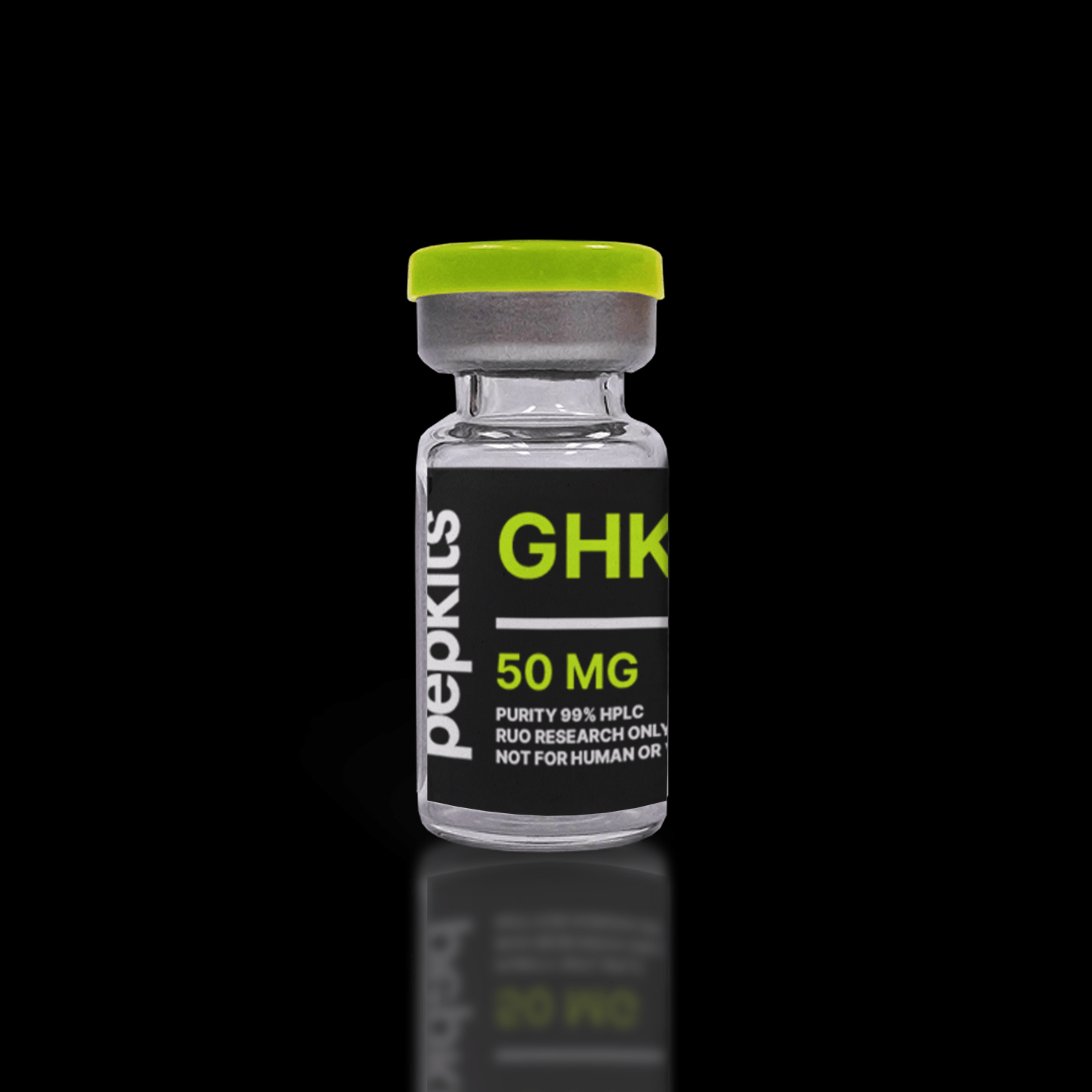
Stacey Brady verified owner
Fast delivery and product arrived in perfect shape.
Anonymous verified owner
Fast shipping, great quality.
Kyle verified owner
Good stuff.
Blaine Randolph verified owner
Great stuff.
Angel verified owner
Excellent experience from order to delivery.
Alex Spitler verified owner
Great product.
Bryan W. verified owner
Works like it should, with careful packaging.
Robert L. verified owner
My one stop shop for research compounds.